A Comprehensive Guide to Processing with Plastic Bag Making Machines
Understanding the Basics of Plastic Bag Making Machines
Plastic bag making machines are specialized equipment designed for the efficient production of various types of plastic bags. These machines operate through a series of processes that involve the extrusion, shaping, and sealing of plastic materials into finished bags. The primary types of plastic used in this manufacturing process include Low-Density Polyethylene (LDPE) and High-Density Polyethylene (HDPE), both of which are widely recognized for their durability and flexibility. The choice of material greatly influences the properties of the final product, including strength, transparency, and resistance to various environmental factors.
The core components of a plastic bag making machine include the extruder, die head, and sealing systems. The extruder is responsible for melting plastic pellets and forming a continuous tube of plastic film. This film is then shaped into a flat sheet by the die head, which gives it the desired thickness and width. Following the formation of the sheet, the sealing system plays a critical role in cutting and sealing the material to create individual bags. The precision and efficiency of these components are essential for maintaining production quality and speed.
Plastic bag making machine are integral to the plastic industry, serving a wide range of applications from retail to industrial uses. Their ability to quickly produce custom-sized bags contributes significantly to operational efficiency within various sectors. Moreover, advancements in technology have increased the scope of these machines, allowing for the production of environmentally-friendly bags made from biodegradable materials. Understanding how these machines function and their various components is crucial for manufacturers looking to optimize their production processes and adapt to changing market demands.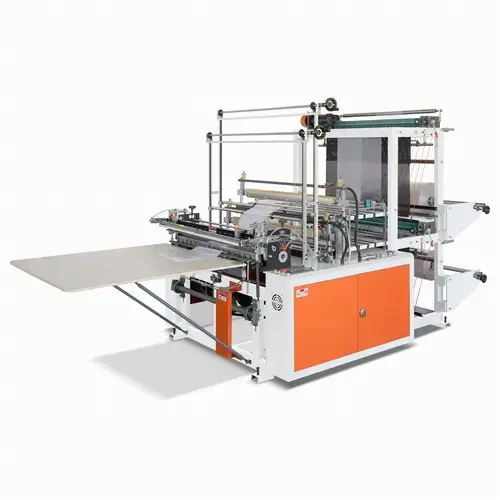
Setup and Preparation for Plastic Bag Production
To ensure a seamless production process using a plastic bag making machine, several preparatory steps are essential. Firstly, machine calibration plays a pivotal role in achieving consistent quality and performance. It is advised that operators conduct thorough checks to align the machine’s settings with the specified requirements for the type of plastic bags being produced. This encompasses adjusting the temperature, speed, and tension settings according to the materials being utilized.
Speaking of materials, selecting the right raw materials directly influences the end-product’s quality. Polyethylene and polypropylene are two commonly used materials for plastic bag production, and knowing which one to choose for a specific application is crucial. For instance, high-density polyethylene (HDPE) is ideal for durable grocery bags, while low-density polyethylene (LDPE) is better suited for lightweight and flexible bags. Adequate knowledge about the properties of these materials will assist in making informed decisions.
In addition to machine calibration and material selection, preparing the production area is equally important. The workspace should be organized to facilitate workflow and minimize hazards. Ensuring that all components of the plastic bag making machine are accessible will not only improve efficiency but also reduce the risk of accidents. Alongside spatial organization, it is imperative to establish proper safety measures. This involves providing the necessary safety gear for operators, including gloves and goggles, and ensuring that emergency protocols are clearly communicated.
Finally, understanding how to choose machine settings for various bag types and sizes is paramount. For example, when producing heavier bags, operators may need to adjust the thickness settings of the film. By taking the time to properly set up and prepare the machine, one can achieve optimal results, minimizing waste and enhancing productivity during the plastic bag production process.
Operating the Plastic Bag Making Machine
Operating a plastic bag making machine requires attention to detail and adherence to certain protocols to ensure efficient production. The process begins with selecting and preparing the raw materials, typically polypropylene or low-density polyethylene, and loading them into the machine. Operators should ensure that the materials are free of contaminants, as impurities can affect the final product’s quality.
Once the materials are loaded, the operator must set the machine parameters, including temperature and speed, based on the specifications required for the type of bags being produced. Proper calibration is crucial as it directly influences material flow and the melting process. After the settings are configured, the production cycle can commence. Observing the machine as it processes the plastic will provide insights into the production flow and any required adjustments.
Monitoring output quality throughout the operation is vital. As the plastic bag making machine operates, operators should regularly check for any irregularities such as inconsistent thickness, tears, or improper sealing. These issues can arise due to incorrect temperature settings or material inconsistencies, and timely identification allows for immediate rectification. Having a checklist of quality control measures can help in systematically assessing the produced bags.
In addition to monitoring output, it is essential to be prepared for common operational challenges. These may include jams or misalignments within the machinery. Should such issues occur, operators should be familiar with troubleshooting techniques, which often involve stopping the machine and carefully inspecting the problematic area before restarting it. Effectively resolving these concerns minimizes downtime and maintains production efficiency.
Lastly, adhering to safety protocols is paramount. Operators should be equipped with appropriate personal protective equipment (PPE) and ensure that safety features on the machine, such as emergency stop buttons and guards, are functional at all times. Regular training on safety practices and machine operation will significantly enhance the well-being of the operator and the overall productivity of the plastic bag making machine.
Maintenance and Quality Control for Longevity
Regular maintenance of a plastic bag making machine is essential for achieving optimal performance and extending its operational lifespan. Ensuring that all mechanical components are functioning correctly contributes significantly to the machine’s efficiency. Routine maintenance practices should include thorough cleaning, lubrication of moving parts, and timely replacement of worn or damaged components. Cleaning involves removing plastic residue and dust that may accumulate over time, which can cause operational issues if left unattended. Lubrication minimizes friction between moving parts, thereby reducing wear and tear, while regular inspections facilitate early detection of potential problems.
In addition to mechanical upkeep, implementing rigorous quality control measures is crucial to ensure that the bags produced meet various industry standards. This process begins with monitoring key bag specifications, such as dimensions, seal strength, and the overall appearance of the final product. Utilizing calibrated measuring tools can accurately assess dimensions, ensuring compliance with required tolerances. It is equally important to conduct seal strength tests, which evaluate the integrity of the bag’s closure, as weak seals can result in product loss or safety issues.
Employing visual inspections at different stages of production is an effective way to enhance quality control. Operators should be trained to identify defects or inconsistencies in the bags, such as thin spots or uneven seals. It is beneficial to establish a standardized quality assurance protocol that includes periodic audits of both the production process and the machinery itself. By documenting maintenance activities and quality control findings, production teams can identify patterns and areas for improvement. In conclusion, maintaining a plastic bag making machine with regular care and implementing stringent quality control strategies ensures the production of high-quality bags, conducive to meeting market demands and regulatory requirements.